ThaHoliday Curatorial Philosophy and Itineraries
ThaHoliday centers cultural depth and respect at the heart of every journey. Trips are designed to prioritize living traditions, local stewardship, and meaningful exchange rather than tourism spectacle. Practical principles steer choices: prioritize communities’ narratives, minimize environmental impact, and ensure fair remuneration for cultural hosts. These values shape collaborations, programming, and the selection of destinations.
Core principles and partnerships
Authenticity is anchored in local authorship of experiences. Cultural protocols are followed by partnering with heritage custodians, museum curators, and community councils in places such as Chiang Mai, Varanasi, Kyoto, Oaxaca, and Fez. Sustainable tourism practices are implemented through measures like carbon offsets for regional transport, capped group sizes in fragile sites, and support for community-led conservation projects. Tailoring occurs through traveler profiling and mutual expectation setting: families receive different pacing and accommodations than independent researchers or small-group cultural learners.
Collaborations extend to named specialists. Examples include working with a certified khon mask carver in Bangkok, a master dai master brewer in Kyoto, and the Asociación de Artesanos de San Cristóbal for textile workshops in Chiapas. These partnerships ensure that income returns locally and skills transmission continues across generations.
Signature cultural itineraries by region
ThaHoliday curates multi-day sequences that balance emblematic sites with living practices. Emphasis is on seasonal timing to witness rituals and food cycles. Typical durations range from 7 to 21 days depending on region and depth sought. Below are representative offerings, their peak months, primary highlights, and recommended traveler profiles.
| Region | Typical duration | Peak months | Signature highlights | Recommended traveler type | Approx. starting price (USD) |
|---|---|---|---|---|---|
| Southeast Asia (Thailand, Laos, Myanmar) | 10–14 days | Nov–Feb | Songkran procession (Chiang Mai), Luang Prabang morning alms, Bagan sunrise | Cultural explorers, active travelers | 1,200 |
| South Asia (India, Sri Lanka) | 12–16 days | Oct–Mar | Varanasi rituals, Holi in Mathura, Kandy perahera | Festival-focused travelers, history lovers | 1,600 |
| East Asia (Japan, Korea, Taiwan) | 8–12 days | Mar–May, Oct–Nov | Kyoto tea ceremony, Noh performance, Seoul traditional markets | Arts and culinary enthusiasts | 1,800 |
| Europe (Italy, Spain, Greece) | 7–14 days | May–Oct | Venetian regattas, Semana Santa (Seville), Greek island panigyri | Heritage and festival travelers | 1,400 |
| Middle East & Africa (Jordan, Ethiopia, Morocco) | 10–14 days | Sep–Nov | Petra night walk, Lalibela church liturgy, Fez artisan quarters | Archaeology and living-tradition seekers | 1,700 |
| Americas (Mexico, Peru, USA Southwest) | 8–15 days | Sep–Nov | Day of the Dead (Oaxaca), Machu Picchu and Andean ceremonies, Navajo weaving demos | Indigenous-culture focused travelers | 1,500 |
After arrival and orientation, itineraries proceed from emblematic sites to intimate exchanges such as home visits, craft studios, and ritual observation. Flex options accommodate slower rhythms or deeper study.
Immersive local experiences and festival timing
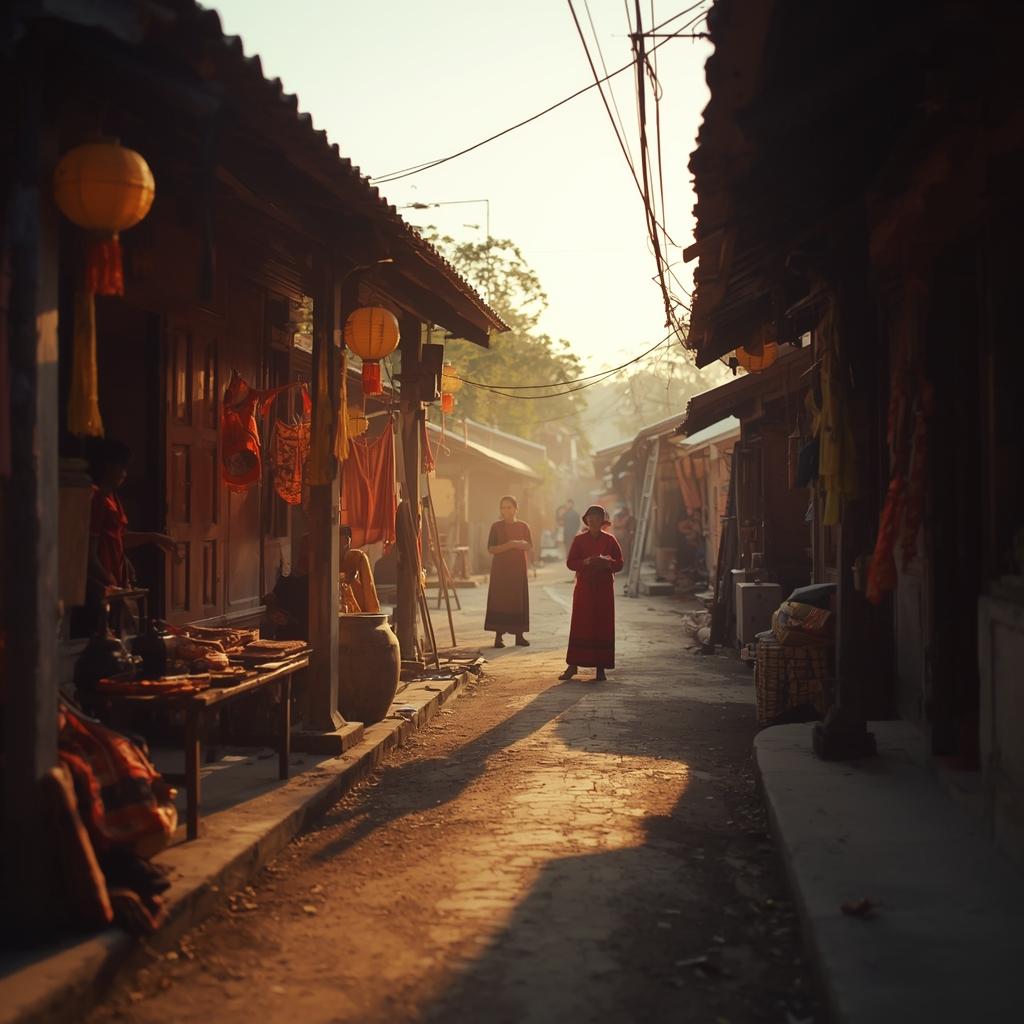
Accommodation choices favor homestays and family-run guesthouses where privacy and cultural exchange are balanced. Culinary programming moves from markets to hands-on cooking sessions with local chefs, highlighting street-food safety practices and regional ingredient sourcing. Language and music immersion sessions are scheduled with community tutors; short song-and-dance modules are paired with background on meaning and etiquette.
Festival planning emphasizes lead time. Major events like Songkran (Thailand, April 13–15), Diwali (India, date varies by lunar calendar, commonly October–November), Chinese New Year (January–February), and Día de los Muertos (Mexico, November 1–2) require bookings months ahead. Off-the-path celebrations, such as a village avocado harvest ritual in Oaxaca or a rooftop lantern practice in Chiang Rai, are integrated when hosts request manageable visitor numbers.
Festival etiquette is outlined clearly before travel. Travelers receive concise primers on appropriate attire, how to request permission for participation, and culturally appropriate gift giving. Seasonal calendars are provided with local climate notes, crowd density indicators, and suggested alternatives for travelers seeking quieter months.
Culinary, arts, and living heritage programming
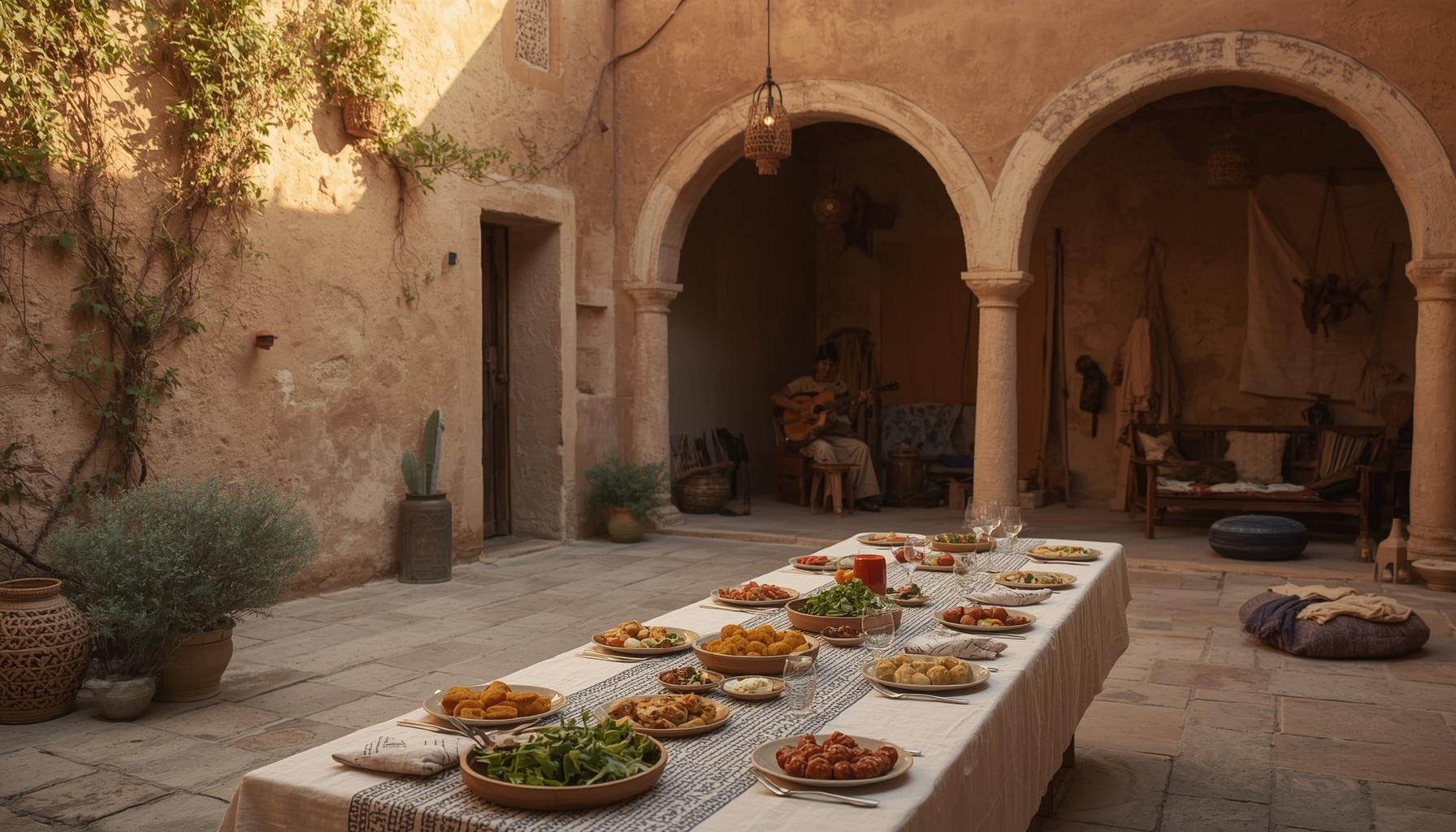
Food-focused routes prioritize hygienic market sourcing and teach safe street-food choices backed by local health norms. Beverage traditions such as Japanese tea ceremony, Ethiopian coffee ritual, and Colombian panela production are presented through tastings and participatory preparation. Arts and performance offerings include hands-on workshops led by master craftspeople, attendance at traditional theaters like Japan’s kabuki or West African drum circles, and curated gallery visits for contemporary voices.
Heritage site visits combine UNESCO-listed locations with community-run living traditions. Examples include Angkor conservation initiatives, Petra night walk stewardship, and community guardianship projects around Machu Picchu. When permitted, rituals and daily practices are observed with community liaisons who interpret meaning and manage visitor flow.
Ethical engagement, planning support, and safety
Ethical engagement is non-negotiable. Compensation models are transparent and documented. Contracts with hosts outline revenue shares, participant limits, and mutual responsibilities. Photography guidelines specify consent protocols, especially for ritual contexts and vulnerable groups.
Customization tools allow tailoring by interest, accessibility needs, and budget. Booking support covers permits for protected sites, local transport logistics, and adaptive itineraries for mobility constraints. Typical preparation includes recommended vaccinations, water and food precautions, and guidance for altitude transitions in places like Cusco. Emergency protocols include 24/7 local liaison access and recommended insurance coverage.
Services offered include:
- Personalized itinerary planning and cultural-intake questionnaire
- Permit and local liaison arrangement
- Accessibility adaptations and dietary accommodations
Community impact and continued engagement
Traveler stories consistently show deeper appreciation and behavioral change after participatory stays. Community partners report increased income stability when projects are designed for low visitor volume and high-value learning. Monitoring includes annual reviews with local councils and adaptive changes based on feedback.
Recommended further resources encompass regional language primers, selected books such as "The Art of Travel" by Alain de Botton for reflective context, and contact details for reputable NGOs focusing on cultural preservation. Long-term engagement is encouraged through supporting artisan cooperatives, following ethical travel practices, and participating in remote learning exchanges hosted by cultural partners.
Hello Lauren, Enjoyed reading your blog. Thanks and I know those who read this article will want to travel the Thailand. Keep in touch and I hope you and Ricardo are doing well. xo
It’s always a pleasure to read what my good friend and travel buddy, Lauren, is up to. And what a lovely pic of her too